
Gallatin Three-Day Release Records
No verified Gallatin County or Saline County, Illinois, rolling 72-hour release view was found. Gallatin cannot publish a county-jail feed because the official association directory reports that it has no jail. Saline County Detention Center contract-houses Gallatin detainees, but its official sheriff page did not provide a public three-day list during the documented review.
A useful three-day inquiry is still possible. Define the period by date and time, then ask Saline for all existing release or transfer entries that match the person or Gallatin booking trail during that interval. Ask Gallatin for its arrest, temporary custody, and transport records. The two responses answer different parts of the same chain.
The Illinois Sheriffs' Association source linked above provides the official no-jail evidence behind this record-routing method.
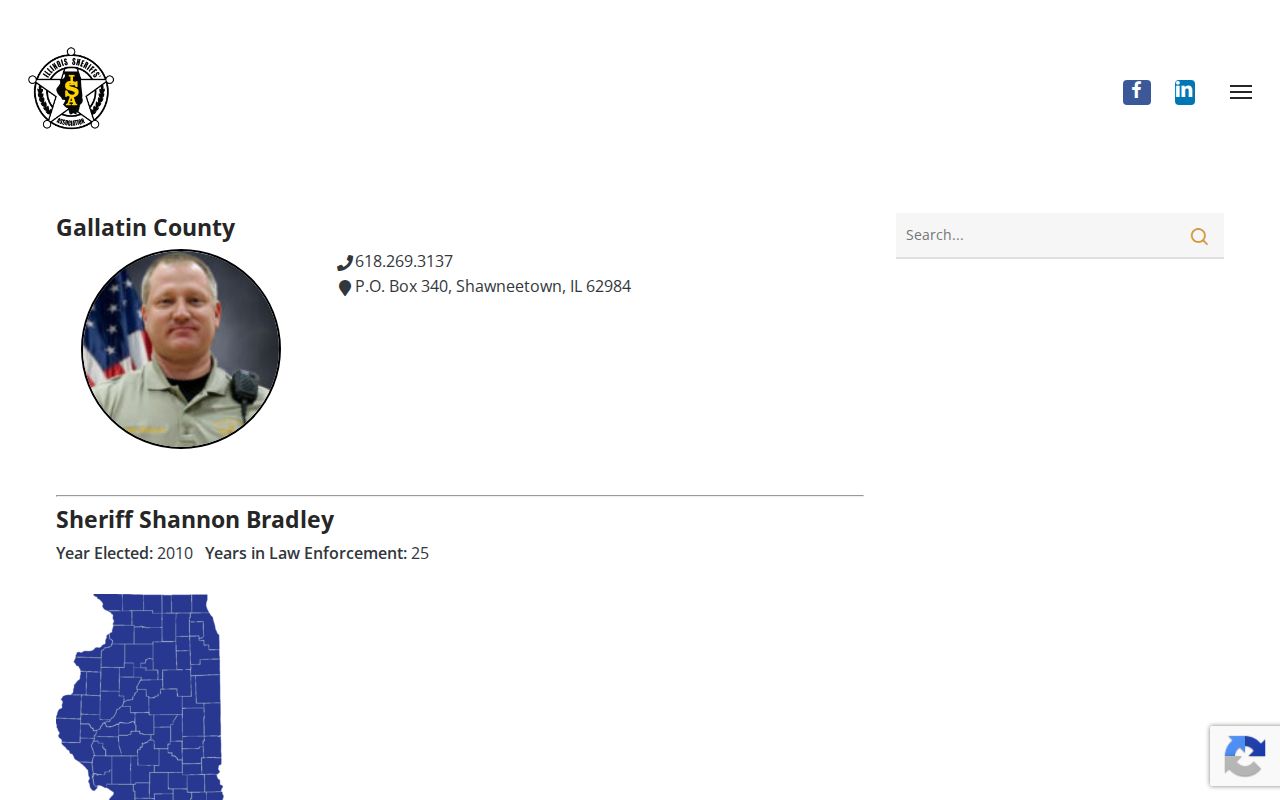
The captured entry makes clear why a three-day Gallatin jail gallery should not be invented and why a Saline release-log request is needed.
Check Gallatin 72-Hour Releases
Write down an exact start and end time before contacting an agency. “Over the weekend” can mean different spans to different staff. A bounded request is easier to locate and makes it clear which release log entries are sought.
- Confirm the arresting agency, full name, approximate arrest date, and any Gallatin case or incident number.
- Call Gallatin County Sheriff at 618-269-3137 to learn whether release occurred before transport or which facility received the person.
- Call Saline County Detention Center at 618-252-8661 when it held the person, and ask whether the exit was release or transfer.
- Request the existing booking and release log entries for the exact 72-hour interval if a phone check cannot resolve the event.
- Compare the Gallatin Judici docket for an order, dismissal, sentence, probation, or IDOC commitment.
- Follow the named receiving agency and keep each system's custody conclusion separate.
The Gallatin County 24-Hour Release List method is better for a same-day check. The three-day method is designed for a bounded set of records that may span more than one calendar day.
Gallatin 72-Hour Record Fields
No verified online field display exists, so these are targeted request fields rather than claims about a web page. Asking for the release type and destination is vital because a person can leave Saline yet remain in another authority's custody.
| Field to request | Why it matters |
|---|---|
| Name and identifying details | Reduces false matches during a multi-day search. |
| Booking or incident number | Connects the entry to the right arrest episode. |
| Intake and departure date/time | Places the event inside or outside the defined 72-hour range. |
| Release disposition | Explains whether bond, time served, court order, probation, dismissal, or another event ended custody. |
| Releasing authority | Points to the court or agency action behind the exit. |
| Receiving agency or destination | Shows whether the person entered the community or moved to another custodian. |
A certified Gallatin court record may be useful when formal proof of the judicial disposition is needed. It does not replace Saline's physical exit record. The court order and jail processing timestamp can differ.
Gallatin Weekend Release Windows
A 72-hour interval can bridge a Friday, weekend, or holiday and reduce the chance that a search uses the wrong calendar day. Yet the research found no local statement that releases are uploaded on a set schedule or held online for a fixed time. Do not assume a delay of one hour, one day, or any other period.
Use the record's actual departure date and time. A judicial entry may appear before the detention center finishes processing, and an agency database may record a later administrative action. If two dates differ, preserve both and ask each issuer what its field means. Do not force them into one guessed timestamp.
Note: Illinois FOIA response deadlines govern records requests; they do not promise immediate release verification during weekends or holidays.
Gallatin's Cross-County Roster Gap
Gallatin's most important roster fact is the absence of a Gallatin jail. The official no-jail entry and the IDOC inspection of Saline fit together: Gallatin makes and documents arrests, while Saline can create the physical booking and exit record under its contract. A third-party “Gallatin County Jail” list is not a substitute for either source.
A missing name can mean direct release, transfer, correction of an identity, a sealed-access change, maintenance, or a move to another system. The three-day search must find positive evidence, such as a release date and type, a Saline transfer destination, a court order plus facility confirmation, or a custody-change event tied to the correct agency.
The split also affects no-record answers. Gallatin may have no Saline booking record because Saline created it. Saline may have no record because the person was released before transport or held under a different authority. Confirm routing before repeating the same request.
Match Gallatin Court Release Entries
Gallatin criminal cases can be searched in Judici under court code IL030015J. Docket and disposition entries may identify a pretrial release order, dismissal, probation sentence, jail sentence, or commitment to IDOC. Those records often remain available after a brief custody event is no longer visible elsewhere.
Read the court record for legal action, then read the jail record for physical custody. A dismissal can remove one basis for detention while another hold remains. A sentence to IDOC means state custody follows. Probation is court supervision and does not itself prove the exact time Saline opened the door.
When certification matters, contact the Gallatin Circuit Clerk at 618-269-3140 and ask for the specific filed order by case number. Ask about current copying and certification charges before ordering. The clerk does not own Saline's release log.
Gallatin Release Record Fallbacks
VINELink can provide a custody status or notification when the actual Illinois agency participates and the correct person record appears. No authoritative list proved a separate Gallatin jail feed, which makes sense because Gallatin has no jail. Check the agency name on the result and confirm a reported event with that custodian.
IDOC applies only when a person entered state custody. Its search can show Offender Status, Location, Parole Date, and Projected Discharge Date. A county detainee released from Saline without an IDOC commitment may not have that event in IDOC. Federal transfers require USMS, BOP, federal court, or ICE channels as appropriate.
The Gallatin County released-inmate lookup provides the full branch-by-branch search when the relevant 72-hour period or responsible custodian is not yet known.
Gallatin Release Versus Transfer
Direct release can follow bond or a pretrial order, completion of time served, dismissal when no other hold exists, or release to probation. Each description still belongs to the agency that recorded it. “Time served” resolves the custody component at issue, not every possible case or warrant.
A transfer ends one facility's custody but does not put the person in the community. IDOC commitment, another county, USMS pickup, and immigration transfer all require a new lookup. If the record says only “released,” ask whether a destination or receiving agency field exists.
Record the query date, exact time range, system, jurisdiction, spelling variants, and result. Name variants, suffixes, prior surnames, and data entry differences can cause a false no-result. Use date of birth, case number, booking number, IDOC number, and the sequence of events to test identity without publishing unneeded details.
If no record is found, verify that the request reached the office that created the event. A Gallatin no-record response may mean Saline made the booking. A Saline no-record response may mean release came before transport. Neither answer, standing alone, proves community release.
For a written Saline request, identify the three-day period with exact dates and times and tie it to the Gallatin arrest if known. Seek the booking number, intake time, arresting agency, departure time, release or transfer description, releasing authority, and destination. Request the records in their existing electronic form. This wording asks for maintained data rather than a staff-created summary of who “got out.”
Gallatin's request should cover its own arrest, temporary custody, release-before-transport, and transport records over that same period. Compare the two sets by person, incident, case number, and chronology. If a field is withheld, ask for the legal basis and the nonexempt remainder. If an office has no responsive record, confirm whether the event was indexed under another agency, contract authority, or spelling.
Keep copies of each response so the three-day custody chain can be checked later.
Public Record Search
Sponsored Results